


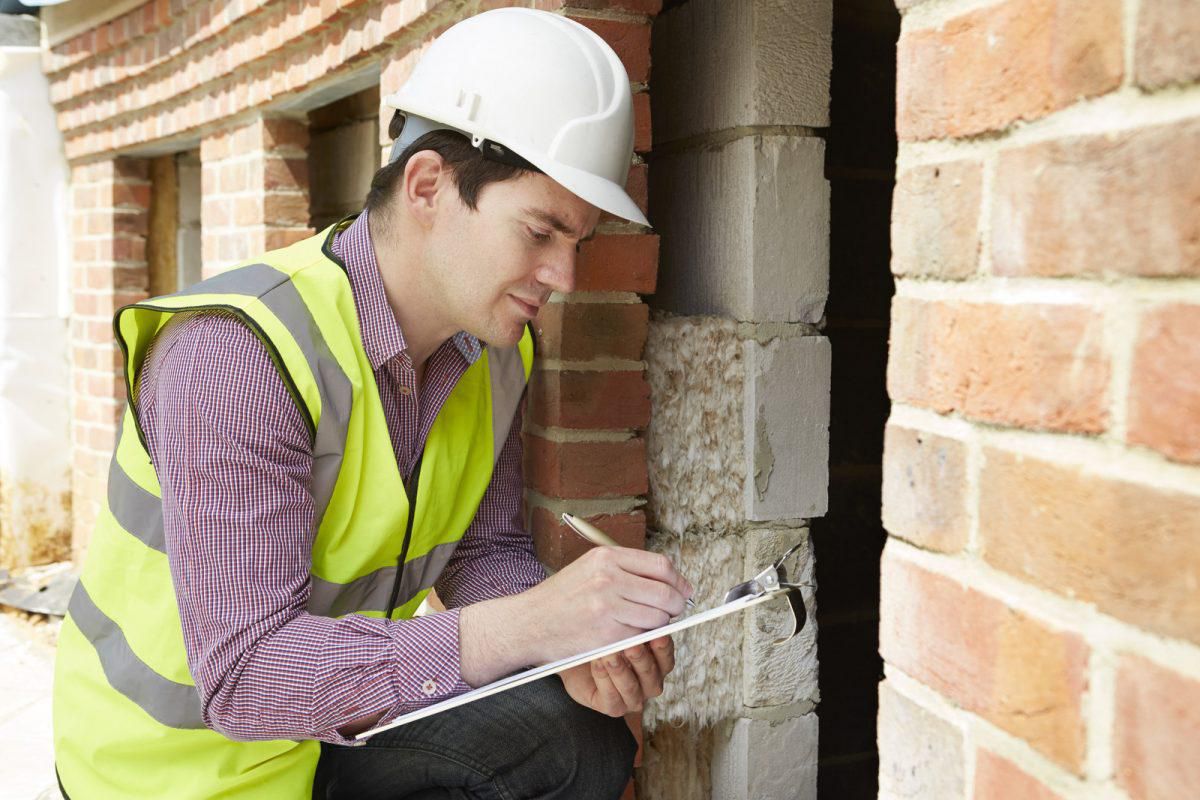
What Is a Home Inspection?
A house inspection examines and reports on the condition of a real estate property, which is commonly done while it is for sale.
A skilled home inspector examines the property's heating and cooling systems, plumbing, electrical work, water, and sewage systems, as well as some fire and safety concerns. In addition, the house inspector will look for signs of bug, water, or fire damage, as well as any other problem that could lower the property's value.
How does a Home Inspection work?
Potential home buyers often hire home inspectors to research a property and acquire a written report that details its condition, including an assessment of necessary or recommended repairs, maintenance concerns, and any other potentially costly issues. The home inspector will assess the physical structure of the home, from the foundation to the roof, as well as the home's systems. This assessment will determine if the home is up to code.
A home inspection can reveal a lot about a freshly built home or an existing property, saving buyers time and money. Meanwhile, having a property inspected before putting it on the market might provide sellers the opportunity to make structural repairs or upgrade and replace systems, thereby increasing the possibility of a sale.
Typically, a home inspection is done after a sales contract or purchase agreement between a buyer and a seller has been signed. For this reason, it's important that the contract include an inspection contingency (also known as a "due diligence" contingency), which allows a buyer time to find an inspector, schedule and attend—if so desired—an inspection, receive the inspector's report, and decide how to proceed based on the information provided.
Home Inspection vs. Appraisal
A home inspection looks at the current state of the house and should not be mistaken with a home appraisal, which evaluates the property's value. Both are crucial milestones in the home-selling process, but they serve different purposes.
The buyer arranges for a house inspection and can then visit to learn more about the home's condition and safety systems. A lender, on the other hand, requires and schedules an appraisal completed by a certified or licensed appraiser when a buyer needs a mortgage to acquire a home.
An appraisal, unlike a house inspection, can affect the amount that can be borrowed and is usually done behind closed doors without the buyer present. An appraiser employs a variety of criteria to determine value, including comparable home prices, property size and quality, lot size, and more, whereas a home inspector just evaluates the home's condition.
Let me know if you want to discuss more the home inspection or any other real estate-related topic. Just send me a message here or comment below.