


Buying Luxury Real Estate in 2026: The Ultimate FAQ and Strategy Guide
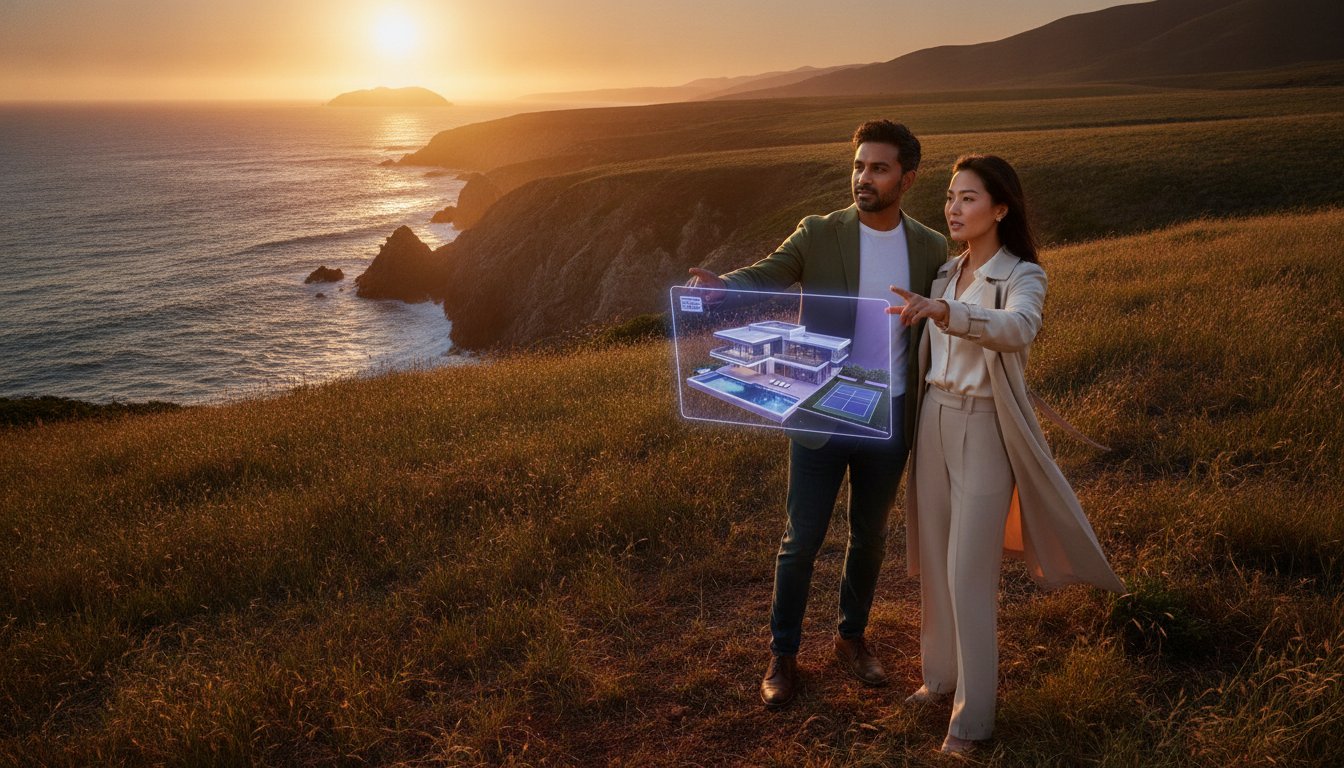
Would you believe that entering the top 5% of the luxury market in 2026 now demands a minimum investment of $2 million? This represents a massive leap from the $1.3 million entry point we saw just last year. When you're buying luxury real estate today, you're navigating a landscape where "landmaxxing" for privacy and specialized wellness amenities are the new gold standards. It's a high-stakes environment where the old rules of search and acquisition no longer apply.
It's understandable if you feel overwhelmed by the flood of data from public portals or worried about the hidden costs tucked into complex high-end contracts. You want more than just square footage. You want a home that perfectly aligns with your passion for golf or your need for a private pickleball court. This article promises to replace that uncertainty with a clear, elite strategy for property acquisition. We'll walk through the nuances of new construction, explain how a dedicated buyer's agent protects your interests, and help you decide whether a custom or production builder fits your unique vision for the future.
Key Takeaways
- Learn why modern luxury is defined by exclusivity and wellness-centric amenities rather than just a high price tag.
- Discover how a lifestyle-based search uncovers elite properties that public portals often miss, ensuring your next home matches your passion for golf or pickleball.
- Gain a clear roadmap for buying luxury real estate that covers everything from "landmaxxing" privacy trends to specialized builder contract negotiations.
- Identify the hidden costs of high-end ownership, including HOA fees and maintenance for complex systems, to ensure your financial peace of mind.
- Understand the non-negotiable value of a buyer's agent who specializes in new construction to navigate the nuances of custom versus production builds.
Table of Contents
- What Defines Buying Luxury Real Estate in 2026?
- How Does a Lifestyle-Based Property Search Work?
- Is Buying New Construction Real Estate the Right Path?
- What Are the Hidden Costs of Buying Luxury Real Estate?
- How Do I Choose a Luxury Real Estate Broker?
What Defines Buying Luxury Real Estate in 2026?
In 2026, a high price tag is merely the entry fee. Real luxury is defined by the quality of your daily life, privacy, and curated experiences. Competitors often get stuck on the numbers, but those numbers are shifting rapidly. To enter the top 5% of the market now, you're looking at a minimum investment of $2 million. This isn't just about square footage anymore; it's about how a property serves your specific lifestyle needs.
When you're buying luxury real estate, you're often insulated from the volatility seen in the broader residential market. High-end inventory levels remained constrained in early 2026, while global interest surged. In fact, international searches for U.S. luxury properties jumped by 100% in the first half of the year. This intense demand turns these homes into "legacy properties" that anchor a diversified investment portfolio, providing a tangible asset that offers both utility and long-term security.
The Evolution of High-End Amenities
Standard features have undergone a radical transformation. A simple pool doesn't cut it anymore. Buyers now demand private wellness centers equipped with cold plunges, saunas, and dedicated meditation spaces. Multi-sport courts, especially for pickleball, are the most requested outdoor additions this year. We're also seeing the rise of "Garage Mahals," which are climate-controlled, museum-grade spaces designed to showcase elite car collections. Sustainability is no longer a niche preference; it's a requirement. Eco-friendly builds with advanced energy management systems are now the gold standard for What Defines Luxury Real Estate in modern urban and suburban settings.
Why Market Timing is Different for High-End Buyers
The luxury market follows its own rhythm. While the general market might cool due to interest rate fluctuations, the top 1% to 5% often remains aggressive. This is because nearly two-thirds of luxury purchases in 2026 are all-cash transactions, bypassing the hurdles of traditional financing. If you're buying luxury real estate, you're securing a scarce asset that often appreciates independently of local economic dips. Timing your purchase is less about chasing interest rate drops and more about identifying rare inventory before it hits the public portals.
Luxury real estate in 2026 is a lifestyle-centric asset class that prioritizes personal wellness, environmental integrity, and generational legacy over simple square footage.
How Does a Lifestyle-Based Property Search Work?
Public real estate portals are designed for volume, not nuance. If you're buying luxury real estate in 2026, relying on generic search engines is like trying to find a bespoke suit at a department store. You'll find something that fits, but it won't be tailored to your life. A lifestyle-based search flips the traditional model on its head. Instead of starting with how many bedrooms you need, we start with how you actually want to spend your Saturday morning.
This "Lifestyle-First" framework identifies non-negotiable community features that a standard MLS filter often misses. It's about the infrastructure of your daily routine. Do you need a deep-water dock for a specific yacht class? Is proximity to a premier golf academy essential for your game? By matching your routine to a community's specific amenities, you avoid the buyer's remorse that comes from living in a beautiful house that's in the wrong place. To stay ahead of the curve, you can utilize lifestyle-based property search tools that prioritize community utility over simple square footage.
Prioritizing Passions: Golf, Pickleball, and Beyond
The cultural vibe of a neighborhood is just as important as the architecture. In 2026, the "Pickleball Effect" is a major driver of property value. Communities that have invested in professional-grade courts and vibrant social leagues are seeing a significant premium in demand. It's no longer just a hobby; it's a social hub. Whether you're looking for a high-energy social environment or a quiet, private retreat, evaluating the community culture is a critical step. For deeper insights into these niche trends, explore our resources on lifestyle based property search strategies.
The Reality of 'Off-Market' and Pocket Listings
Discretion is the primary currency of the elite market. Many of the most stunning legacy properties never touch a public server. These are known as "pocket listings." They exist in a private ecosystem shared only between well-connected brokers and their exclusive networks. Pursuing these unlisted gems allows you to avoid the noise of the open market and navigate a more controlled, private negotiation. However, finding them requires an expert guide who is deeply embedded in the local scene. This specialized access is often the only way to secure a truly unique property before the rest of the world even knows it's for sale.
Is Buying New Construction Real Estate the Right Path?
There's an undeniable allure to being the first person to turn the key in a front door. In 2026, the demand for "never-lived-in" properties is at an all-time high. This trend is driven by a desire to avoid the headaches of deferred maintenance and outdated layouts that often plague older estates. When you're buying luxury real estate, you're often looking for a turnkey experience that integrates the latest smart-home tech and wellness features from day one. New construction delivers exactly that, but it isn't a path you should walk alone.
One of the biggest mistakes buyers make is walking into a builder's sales office without representation. The friendly person behind the desk works for the builder, not you. Their job is to protect the builder's bottom line and manage their risk. Having a dedicated real estate agent for new builds ensures you have an expert in your corner to navigate complex contracts and ensure your upgrades actually add long-term value. It's about leveling the playing field from the very first meeting to the final walkthrough.
Custom vs. Production Luxury Builders
Choosing between a custom and a production builder depends entirely on your appetite for detail and your desired move-in date. Custom builds offer total control over every square inch, but they come with longer timelines, often stretching 18 to 24 months. Production luxury builders, on the other hand, offer curated "collections" of established floor plans that can be delivered much faster. These builders have already vetted the materials and streamlined the process, providing a high-end finish without the decision fatigue of a full custom project. While custom builds offer a blank canvas for those with time, production luxury provides a curated, high-speed path to a turnkey lifestyle in the 2026 market.
Managing the New Home Build Process
The journey from contract to closing requires a methodical approach. Even in the high-end segment, independent inspections are a non-negotiable requirement for savvy buyers. You need a second set of eyes on the foundation, the framing, and the complex HVAC systems that power modern wellness suites. If you can't wait two years for a build, "spec" homes are an excellent middle ground. These are properties that builders start before a buyer is secured, allowing you to jump into the process mid-way and still enjoy that fresh, new-home feel. When buying luxury real estate in the new construction sector, staying organized and having professional oversight is the only way to ensure your vision becomes a reality without the stress.
What Are the Hidden Costs of Buying Luxury Real Estate?
The sticker price is just the beginning. When you're buying luxury real estate, the "true cost" of ownership includes a web of recurring expenses that can surprise even seasoned investors. For instance, as of March 1, 2026, the Financial Crimes Enforcement Network (FinCEN) requires all-cash residential purchases by legal entities or trusts to be reported to the U.S. Treasury. This adds a layer of administrative oversight and legal preparation for those seeking maximum privacy. You also need to account for the specialized maintenance required for complex smart home systems, resort-style pools, and climate-controlled hobby spaces.
In gated or lifestyle-centric communities, HOA and CDD fees are more than just a line item. They fund the elite infrastructure that supports your passion for golf or pickleball. Insurance is another complex variable. If you're securing a waterfront estate or a property with a high-value "Garage Mahal," standard policies won't suffice. You'll need specialized coverage that accounts for environmental risks and the replacement value of bespoke finishes. This "luxury tax" on maintenance and protection ensures your asset retains its value over time, but it requires careful budgeting from the outset.
Contractual Nuances and Contingencies
Standard contracts are often too thin to protect a high-stakes investment. When buying luxury real estate, your contract needs specific contingencies for smart-home technology performance, custom finish quality, and even environmental impact studies. If you're dealing with a builder, the negotiation often centers on upgrades. This is where the real value is hidden. Instead of just picking paint colors, you should negotiate for structural enhancements or high-efficiency systems that offer a better long-term ROI. Engaging specialized legal counsel is essential to ensure these nuances are legally binding and clearly defined.
Valuation and Appraisal Challenges
Unique estates rarely have perfect "comparable sales." If your home features a one-of-a-kind wellness center or a private multi-sport court, a traditional appraiser might struggle to find a match. You must be prepared to justify a premium price through detailed documentation of custom features and high-end materials. In a high-demand market where the entry point for the top 5% has hit $2 million, low appraisals can happen. We use specific strategies to present the property's unique value proposition to lenders, ensuring the deal stays on track. If you want a precise view of your potential investment's worth, get a professional home value estimate before making your move.
How Do I Choose a Luxury Real Estate Broker?
Choosing your representative is the most critical decision in your acquisition journey. A common mistake is selecting an agent based solely on a directory of listings. Transactional agents focus on the "what," essentially just checking boxes for bedrooms and bathrooms. Lifestyle brokers focus on the "why." They understand how your daily routine, from your morning workout to your evening social life, dictates the property you need. When you're buying luxury real estate, you're not just looking for a home; you're securing a legacy. You need a partner who values discretion as much as you do.
Specialized knowledge of builders is a non-negotiable requirement for anyone considering a new build. Building a home in 2026 requires a level of contractual literacy that many generalists simply don't possess. A seasoned veteran with over 20 years of experience, like the leadership at The Fortune Group, understands the subtle shifts in builder incentives. They can leverage long-standing relationships to your advantage. This specialized insight is the cornerstone of buying luxury real estate with confidence, ensuring you don't overpay for upgrades or miss out on priority lot selections.
Questions to Ask Your Potential Representative
Don't be afraid to interview your agent. You're hiring a high-level consultant for a multi-million dollar transaction. Ask these direct questions to gauge their expertise:
- How many new construction deals have you closed in the last 24 months? You need someone who is active in the current market, not someone relying on decade-old experience.
- What is your relationship with national and custom builders? Access to off-plan opportunities and "spec" homes often depends on these professional ties.
- How do you assist with lifestyle-based property searches? Ensure they have the tools and local knowledge to find communities that match your specific passion for golf, pickleball, or wellness.
The Value of a Multi-Disciplinary Support Team
The best brokers don't work in a vacuum. They operate as the lead coordinator for a dream team of professionals. This includes specialized legal counsel for FinCEN-compliant reporting, high-end inspectors who understand complex smart-home systems, and interior designers who can vet floor plans before you sign a contract. The "Fortune" approach blends this elite professionalism with high-energy service. It's about providing a welcoming, sophisticated environment where every detail is handled with precision. Discover how The Fortune Group elevates your luxury search and provides the expert guidance you need to master the 2026 market.
Secure Your Lifestyle Legacy in 2026
The landscape of 2026 demands a shift from simple property hunting to strategic lifestyle acquisition. You now know that luxury is defined by the quality of your daily experiences, from private wellness centers to the vibrant social hubs of pickleball and golf communities. Whether you're navigating the complexities of a custom build or uncovering off-market gems, success depends on having a seasoned expert who understands the nuances of builder contracts and the true cost of high-end ownership.
Buying luxury real estate shouldn't feel like a series of compromises or a battle with information overload. You deserve a partner who brings over 20 years of specialized experience and deep connections with national and custom builders to your side. Led by Patti Fortune, our team is dedicated to providing the discretion and high-energy guidance your legacy deserves. It's time to move beyond generic portals and find a home that truly serves your future.
Start your elite lifestyle-based property search with The Fortune Group and take the first step toward a home that perfectly reflects your vision. We're ready to turn your 2026 real estate goals into a vibrant reality!
Frequently Asked Questions
Is it better to buy a resale luxury home or build new in 2026?
Building new is often the superior choice in 2026 because it ensures your home includes the latest wellness technologies and energy-efficient systems from the start. Resale homes offer immediate occupancy and established character, but they frequently require costly renovations to meet current luxury standards. When you're buying luxury real estate today, the "never-lived-in" allure of new construction provides a turnkey lifestyle that resale properties struggle to match without significant additional investment.
Do I really need a buyer's agent if I'm buying from a builder?
Yes, having independent representation is essential because the builder's sales representative works exclusively for the builder's interests. An expert buyer's agent protects your equity by negotiating structural upgrades and ensuring contractual protections that a builder's standard form might omit. We help you navigate the complex timeline of a new build, from the initial site selection to the final inspection, ensuring your vision is executed without unnecessary stress or hidden costs.
What are the most in-demand luxury home amenities right now?
Private wellness suites featuring cold plunges and infrared saunas have become the top-tier requirement for high-end buyers this year. Professional-grade pickleball courts and expansive "Garage Mahals" for collector vehicles follow closely in popularity. Modern luxury is no longer defined by simple square footage. It's about specialized spaces that support your specific hobbies and health goals, integrated with advanced smart-home systems that manage everything from air purification to circadian lighting automatically.
How do I find 'pocket listings' that aren't on the public MLS?
Accessing these exclusive opportunities requires a broker with deep roots and an extensive professional network in the local luxury market. Pocket listings are often kept private to protect the seller's discretion and are only shared among elite circles of trusted advisors. By working with a seasoned veteran who has 20 plus years of experience, you gain entry into these "off-market" conversations, allowing you to see premier estates before they ever hit a public portal.
What are the typical closing costs for a luxury property?
Closing costs generally include title insurance, transfer taxes, and legal fees, but high-end transactions often involve additional administrative expenses. When buying luxury real estate in 2026, you must also account for the cost of FinCEN-compliant reporting if you're purchasing through a trust or legal entity. Specialized inspections for complex HVAC systems or waterfront sea walls can also increase your initial layout. We provide a detailed breakdown early in the process so there are no surprises at the closing table.
Can I negotiate the price of a new construction home with a builder?
Negotiation with luxury builders usually focuses on high-value upgrades, lot premiums, or closing cost credits rather than a reduction in the base sales price. Builders are highly protective of their "comparable" sales figures within a community to maintain values for all residents. We use our expertise to identify where the builder has the most flexibility, often securing premium finishes or structural enhancements that provide a much better long-term return on your investment than a simple price cut.
How does a lifestyle-based search differ from a traditional home search?
A traditional search starts with bedrooms and bathrooms, but a lifestyle-based search starts with your daily passions and community needs. We prioritize the infrastructure of your life, such as proximity to elite golf academies or the specific social vibe of a gated neighborhood. This method ensures your home is a functional asset that supports your routine. It's the difference between finding a house that looks good and finding a community where you truly belong.
What should I look for in a luxury real estate contract?
Your contract must include specific contingencies for technology performance, environmental standards, and the quality of bespoke finishes. Standard residential forms often lack the detail required to protect a multi-million dollar investment. It's also vital to ensure the agreement clearly outlines the builder's responsibilities for warranty items and smart-home integration. We work closely with specialized legal counsel to ensure every clause is tailored to protect your interests and your privacy throughout the transaction.