25 Essential Questions to Ask a New Home Builder in 2026
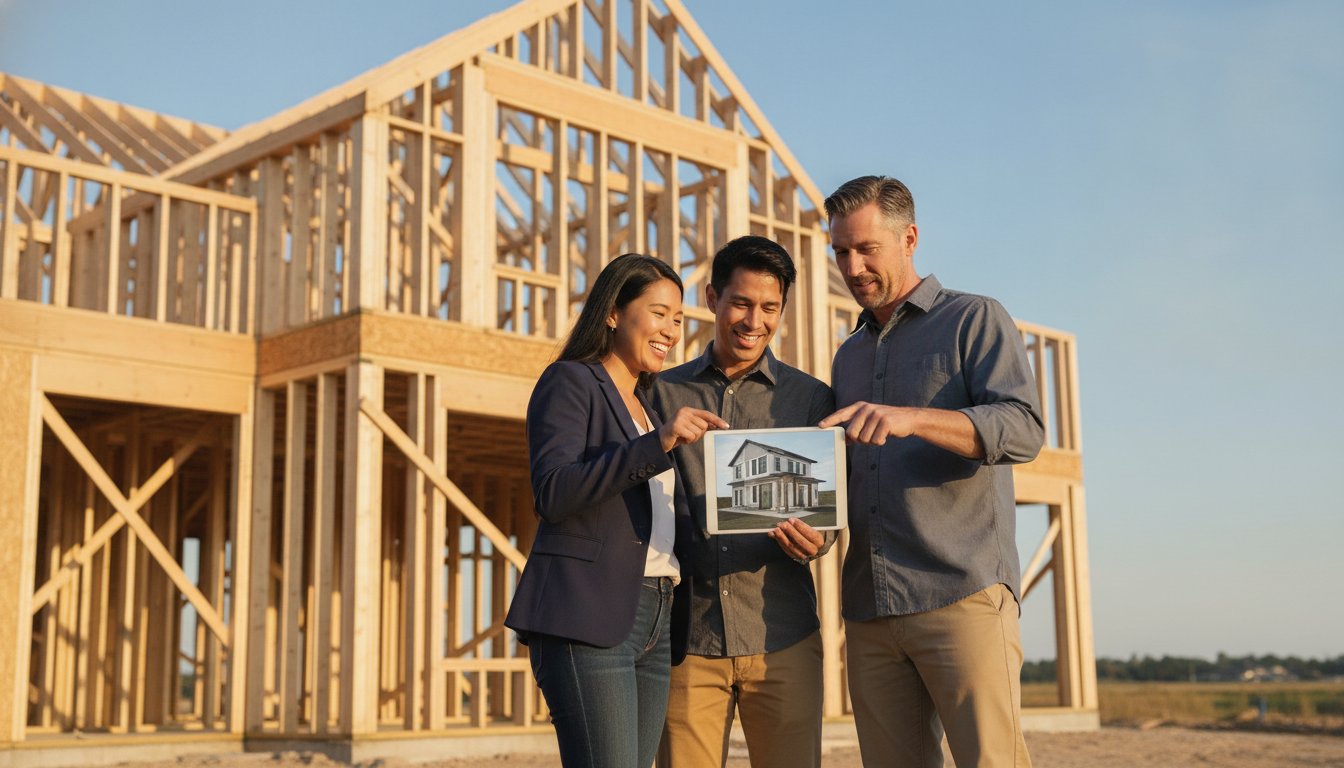
What if the most expensive mistake you ever make isn't the house you choose, but the builder you hire without a proper interview? It's a sobering thought. You've likely spent months dreaming of floor plans; yet, the anxiety of construction delays or confusing upgrade costs can quickly turn that excitement into a heavy burden. We understand that you aren't just looking for a structure; you're investing in a lifestyle that needs protection. Knowing the right questions to ask a new home builder is the only way to ensure your vision is in the hands of a true professional who values your investment as much as you do.
You deserve to walk onto your job site with total confidence. In this guide, we'll master the builder interview process together! We've curated 25 essential inquiries for 2026 to ensure your investment stays secure and your move-in date remains realistic. From vetting construction quality to uncovering hidden financial surprises, this framework gives you the elite due diligence required for a seamless experience. Let's dive into the roadmap that helps you select a partner who delivers excellence, not just excuses. It's time to build with clarity.
Key Takeaways
- Master the specific questions to ask a new home builder to vet their financial stability and reputation before you sign a contract.
- Learn to distinguish between standard features and high-end upgrades to avoid expensive post-closing surprises and protect your lifestyle.
- Establish a professional communication rhythm with your builder to maintain control over construction timelines and site management.
- Identify the critical contractual protections and third-party warranties needed to safeguard your long-term investment in 2026.
- Understand why independent buyer representation is the ultimate strategic advantage for navigating complex builder negotiations.
Table of Contents
- Vetting the Builder: Experience, Financial Health, and Reputation
- Standard Features vs. Upgrades: Defining Your Lifestyle
- The Construction Timeline and Site Management
- Contractual Protections, Warranties, and Hidden Costs
- The Strategic Advantage of Professional Buyer Representation
Vetting the Builder: Experience, Financial Health, and Reputation
Choosing the right partner for your new build is a high-stakes decision that requires more than a simple handshake. You're entrusting a company with your future lifestyle and a significant portion of your net worth. To ensure you're making a sound investment, you must move beyond surface-level aesthetics. These specific questions to ask a new home builder will help you peel back the layers of their professional history and financial stability.
Start by gauging their specific expertise: "How many homes have you completed in this specific niche or lifestyle category?" A builder who excels at urban townhomes may not have the specialized knowledge required for a sprawling luxury estate. Next, demand transparency regarding their recent performance. Ask for a list of references for homes completed in the last 12 months. Speaking with recent buyers provides a raw, unfiltered look at how the builder handles the modern home construction process and current supply chain realities.
You also need to vet their risk profile. Ask directly: "Are you currently involved in any active litigation or major insurance claims?" Legal disputes can drain a builder's resources and distract them from your project. Finally, investigate their reputation within the industry by asking about their financial relationship with primary subcontractors. A builder who pays their trades on time attracts the best craftsmen; one who doesn't may leave you vulnerable to mechanics' liens that could cloud your title.
The "Proof of Concept" Walkthrough
A finished model home is a marketing tool, but a home under construction is a truth-teller. Request a walkthrough of a project in progress. Pay close attention to site cleanliness and organization. A cluttered, chaotic job site often signals poor quality control and a lack of respect for the materials. Use this time to identify the specific architectural styles the builder excels in. You want a team whose professional "muscle memory" aligns perfectly with your design vision.
Licensing and Insurance Deep Dive
Elite professionalism always leaves a paper trail. Before signing anything, confirm the builder carries active general liability and workers’ compensation insurance. It's also vital to verify their standing with the National Association of Home Builders (NAHB). This membership suggests a commitment to industry standards and ongoing education. Don't forget to ask about the specific licenses held by the project managers on-site. You want a seasoned veteran, not a trainee, overseeing the daily complexities of your build.
Standard Features vs. Upgrades: Defining Your Lifestyle
Walking through a model home is an emotional experience. It's designed to be. However, you must look past the staging to see the actual value. One of the most vital questions to ask a new home builder is which specific features in the model are actually considered upgrades. Often, the waterfall quartz countertops, custom cabinetry, and designer lighting aren't included in the base price. You don't want to fall in love with a lifestyle that costs an extra six figures beyond the advertised starting point.
Tech integration is no longer a luxury; it's a standard requirement for 2026. You shouldn't just ask about Wi-Fi. Ask how they handle future-proofing. Are they pre-wiring for high-speed EV chargers in the garage? Is the home ready for integrated smart security and automated climate control? Understanding these technical details early prevents expensive retrofitting after you move in. For a deeper look at your rights and builder accountability, it's helpful to consult HUD homebuyer resources during your due diligence.
Don't forget the exterior finishings. Many buyers assume landscaping, irrigation systems, and finished driveways are part of the package. They often aren't. Clarify if the base price covers a fully sodded yard or just a basic "seed and straw" approach. Also, ask about their policy on buyer-supplied materials. Some builders allow you to bring your own high-end fixtures or vintage hardware; others strictly insist on using their approved catalog only.
The Lifestyle Infrastructure Check
Your home should reflect how you truly live. If you're a car enthusiast, ask about specialty garage configurations or reinforced flooring for lifts. If you love to entertain, inquire about the integration of outdoor living spaces. Are the gas lines for an outdoor kitchen or fire pit already in place? Even energy-saving features like triple-pane windows or solar readiness should be vetted now. These details define your daily comfort and long-term utility costs.
The Design Center Process
The selection timeline is everything. Ask exactly when you must finalize all material and color choices. If a specific material becomes unavailable mid-build, how is the price difference handled? Always demand a comprehensive "Standard Features Sheet" before signing your contract. This document is your primary shield against financial surprises. If you're looking for a home that perfectly fits your specific needs, consider a lifestyle-based property search to see which builders are currently delivering the amenities you crave.
The Construction Timeline and Site Management
Time is your most valuable asset. When you're planning a major move, "approximate" dates simply don't cut it. One of the most critical questions to ask a new home builder involves the specific journey from permit approval to the moment you receive your keys. You need a realistic window, not a best-case scenario. In the current market, you must also understand how a builder manages the daily chaos of a job site. Who is the person actually supervising the trades? Knowing your primary point of contact for on-site discrepancies ensures that small issues don't balloon into permanent structural flaws.
Communication shouldn't be a guessing game. Ask about the frequency and format of progress updates. Do they use a digital portal with real-time photos, or will you be waiting for a weekly phone call? Clarity here prevents the "black hole" feeling that often plagues new builds. You also need to pin down the change order process. If you decide to swap a fixture or move a wall after construction starts, how does that impact both your budget and the delivery date? Get these protocols in writing before the first shovel hits the dirt.
Managing Delays and Supply Chains
The 2026 building environment still faces localized volatility in material availability. Ask your builder what happens if the completion date is pushed back by more than 30 days. Do they offer a per-diem credit, or are you left footing the bill for extended rentals? You must also confirm their "locked-in" price policy. With 2026 national building code updates potentially impacting material requirements, you need to know if the price on your contract is truly final or if it's subject to escalation clauses that protect the builder's margins at your expense.
Site Access and Quality Inspections
Transparency is the hallmark of a confident builder. Can you hire an independent inspector to visit at key milestones like framing, electrical, and pre-drywall? A builder who resists third-party oversight is a red flag. Likewise, clarify the policy for buyer site visits. You should have scheduled access to walk your home, but safety regulations often restrict unscheduled drop-ins. Finally, ask about the "punch list" management. A professional builder will have a methodical system for addressing minor cosmetic flaws before the final walk-through, ensuring your home is pristine on day one.
owninnaples.com
The Builder Interview Checklist
Essential Questions to Ask Before You Build in 2026
You aren't just building a structure; you're investing in a lifestyle. This framework provides the due diligence required for a seamless experience, protecting your investment and ensuring your vision becomes reality.
Your Strategic Roadmap to a Successful Build
Vet financial stability and reputation to avoid costly pitfalls.
Distinguish between standard features and expensive upgrades early.
Establish clear communication to control timelines and site management.
Identify critical contractual protections and warranties to safeguard your investment.
Phase 1: Vetting Experience, Financial Health & Reputation
Move beyond aesthetics to evaluate the builder's professional foundation.
Experience & Expertise
- How many homes have you built in this specific niche/lifestyle category?
- Can I see a list of references for homes completed in the last 12 months?
- What architectural styles do you have the most experience with?
Financial & Legal Health
- Are you currently involved in any active litigation or major insurance claims?
- What is your payment schedule with primary subcontractors? (Ensures no liens)
- Can you provide proof of active general liability and workers' comp insurance?
The "Proof of Concept" Walkthrough
A model home is marketing; a home under construction is a truth-teller. Request a tour of an active project. Pay close attention to site cleanliness and organization—a chaotic site often signals poor quality control.
Phase 2: Defining Your Lifestyle & Uncovering Costs
Look past the staging to understand the true value and features included in your home.
Standard Features vs. Upgrades: Know the Difference
ASK ABOUT STANDARD FEATURES
This is the baseline included in the advertised price. Clarify every detail.
- Basic appliance package
- Standard flooring (e.g., carpet, vinyl)
- Basic lighting fixtures
- "Seed and straw" landscaping
- Builder-grade paint & hardware
IDENTIFY POTENTIAL UPGRADES
These are often shown in the model home but cost extra. Get a priced list.
- Waterfall quartz countertops
- Custom cabinetry & designer lighting
- High-end flooring (e.g., hardwood)
- Full sod, irrigation & landscaping
- Smart home integrations
Tech & Future-Proofing
In 2026, tech integration is a standard requirement. Ask specifics to avoid expensive retrofitting later.
- Is the home pre-wired for high-speed EV chargers in the garage?
- Is it ready for integrated smart security and automated climate control?
- What level of network cabling is installed for reliable connectivity?
Lifestyle & Exterior
Ensure the home supports how you truly live and that exterior costs are clear.
- Does the base price include a finished driveway, sod, and irrigation system?
- Are gas lines pre-installed for an outdoor kitchen or fire pit?
- What is your policy on buyer-supplied materials and fixtures?
Phase 3: Secure Your Strategic Advantage
The single most important decision after choosing a lot.
Always Use Independent Buyer Representation
The builder's agent works for the builder. Your agent works exclusively for you. This is the ultimate strategic advantage for navigating complex builder negotiations, ensuring contractual protections are in your favor, and providing objective advice throughout the entire process.
Contractual Protections, Warranties, and Hidden Costs
Contracts should be your safety net, not a trap. One of the most vital questions to ask a new home builder is whether their contract includes an escalation clause for material costs. In 2026, supply prices can shift overnight due to global logistics or new environmental regulations. You need to know if your purchase price is a firm commitment or a moving target that could drain your reserves. Additionally, look for developer impact fees or community infrastructure assessments. These "hidden" costs aren't always part of the base price but can add thousands to your final closing statement. If the builder can't give you a straight answer on these fees, they likely haven't accounted for them in your initial estimate.
Beyond the initial build, you're buying peace of mind for the next decade. Ask about the structural warranty. Is it backed by the builder's own assets, or is it a third-party insurance policy? Third-party coverage is the gold standard. It ensures your home is protected even if the builder ceases operations or changes ownership. You should also clarify the process for resolving warranty claims after that first year. Many builders are responsive during the initial "honeymoon phase," but you need a partner who remains accountable long after the final check is cut. A professional builder will have a dedicated portal or a clear point of contact for long-term maintenance issues.
The Fine Print of Home Warranties
Don't settle for a generic "one-year warranty" explanation. You must distinguish between the one-year cosmetic coverage and the ten-year structural protection. Ask what is explicitly excluded from the policy. For example, does the builder handle emergency repairs like a mid-winter HVAC failure on a Sunday? Knowing their weekend response protocol can save you from a cold night and a massive repair bill. Clarity now prevents frustration later.
Closing Costs and Financial Transparency
Financial clarity starts with the deposit. Ask what percentage of the purchase price is required upfront and whether it's held in an independent escrow account. Many builders offer enticing incentives to use their preferred lender. While these can be lucrative, they often come with trade-offs in interest rates or closing fees. This is exactly why you need a specialized real estate agent for new builds in 2026 to help you weigh these complex financial options. If you're ready to secure your investment with an expert by your side, contact us today for professional buyer representation.
The Strategic Advantage of Professional Buyer Representation
You enter a stunning model home and are greeted with a warm smile and a glossy brochure. It's tempting to think the on-site representative is your primary ally. However, elite due diligence requires total clarity. That representative is a dedicated employee of the builder; their loyalty and legal responsibility lie firmly with the builder's bottom line. To truly protect your investment and lifestyle, you need an independent advocate who provides a fiduciary duty to you alone. A seasoned broker acts as your expert guide, navigating the high-stakes environment of new construction with a level of discretion and specialized knowledge that an on-site rep simply cannot provide.
Experience matters when the stakes are this high. A broker with 20+ years of industry experience knows the right questions to ask a new home builder to uncover what's happening behind the drywall. While you focus on the aesthetic beauty of the home, your agent is busy analyzing the contract for escalation clauses or vetting the builder's financial relationship with their subcontractors. We bring a methodical approach to the final inspection and walk-through, serving as a second set of professional eyes to ensure the "punch list" is completed to a premium standard before you ever sign the final closing documents.
The "Agent vs. Sales Rep" Distinction
The distinction between an on-site rep and an independent broker is fundamental. The on-site salesperson is there to sell a specific product; an independent broker is there to find your specific solution. We leverage our direct collaboration with national and custom builders to negotiate upgrades, closing credits, and structural modifications that a solo buyer might never know are on the table. We're the seasoned veterans who handle the high-stakes conversations so you can focus on the excitement of your new home. It's about having a professional who is deeply connected to the human element of the industry while remaining fiercely protective of your interests.
Long-Term Relationship Building
Our commitment doesn't end when the keys are handed over. The Fortune Group remains a dedicated resource long after the moving trucks have departed. We understand that a new home is a lifestyle investment, and we take pride in fostering welcoming, long-term relationships with our clients. Whether you're a luxury seeker or a first-time participant in the new-build market, we bring infectious positivity and refined expertise to every stage of the journey. If you're ready to master the builder interview process with a professional by your side, schedule a consultation with The Fortune Group to navigate your new build journey today. Let's turn your 2026 lifestyle vision into a reality with absolute confidence.
Secure Your Future Lifestyle with Confidence
Building a home in 2026 is an exhilarating journey that demands a disciplined approach to due diligence. By mastering the specific questions to ask a new home builder, you've already taken the most important step toward protecting your investment. You now possess the professional framework to vet financial stability, define your lifestyle through standard features, and manage construction timelines with absolute clarity. This knowledge transforms a potentially overwhelming process into a structured path toward your dream residence.
You don't have to navigate these high-stakes negotiations alone. With over 20 years of specialized real estate experience and deep connections with premier national and custom builders, we provide the elite representation your luxury lifestyle deserves. We focus exclusively on luxury and active lifestyle communities, ensuring your vision is never compromised by hidden costs or poor communication. We're here to handle the complex details with discretion and infectious positivity, ensuring you get the best value from your builder.
It's time to build with total confidence. Partner with The Fortune Group for Expert New Construction Representation and let our seasoned expertise turn your dream home into a seamless reality. Your future starts here, and we're ready to guide you home.
Frequently Asked Questions
Can I bring my own real estate agent to a new construction site?
You can and should bring your own agent, but you must ensure they accompany you on your very first visit to the model home or sales office. Most builders require this initial registration to recognize your agent as your official representative. Having your own advocate ensures your interests are protected by a fiduciary who doesn't work for the builder's bottom line.
How do I know if a builder is reputable and financially stable?
Vetting reputation requires looking at completed projects from the last 12 months and checking for active litigation or major insurance claims. Financial stability is often reflected in how promptly a builder pays their subcontractors. A builder with a strong history of on-time payments attracts the highest quality craftsmen, which directly impacts the longevity of your home.
What is a "punch list" and when should it be completed?
A punch list is a detailed inventory of minor cosmetic or functional issues discovered during your final walkthrough before closing. This list should be completed and signed off by both you and the builder before you accept the keys. It's your final opportunity to ensure every detail, from paint touch-ups to cabinet alignment, meets professional standards.
Are new home prices negotiable in 2026?
While base prices in 2026 are often firm for production builders, there is frequently room to negotiate on upgrades, lot premiums, and closing cost credits. Seasoned brokers often find leverage in "designer center credits" or financing incentives that lower your overall investment. These concessions can save you thousands without the builder having to drop the home’s official sticker price.
What is the difference between a custom builder and a production builder?
Custom builders create one-of-a-kind homes based on unique architectural plans on land you typically own or purchase separately. Production builders construct homes from a set library of floor plans within specific communities they develop. Choosing between them depends on whether you value total creative control or a more streamlined, efficient building process.
What happens if the builder goes out of business during construction?
Your protection depends on how your deposit was held and the strength of your third-party warranty. This is why the questions to ask a new home builder regarding escrow accounts and insurance are so vital during the interview phase. Independent buyer representation helps ensure these legal safeguards are in place before any money changes hands.
Is a home inspection necessary for a brand-new house?
An independent home inspection is absolutely necessary for new construction to catch errors that municipal inspectors might overlook. We recommend a phased approach, including a pre-drywall inspection to verify the home’s structural skeleton and a final inspection before the walkthrough. It is a small investment that provides long-term peace of mind and professional accountability.
How do I handle upgrades without blowing my budget?
To stay on budget, prioritize "behind the wall" upgrades like extra electrical outlets, gas lines, or structural reinforcements that are difficult to change later. These structural items add the most long-term value to the property. You can often save money by choosing standard cosmetic finishes, like lighting or hardware, and upgrading those elements yourself after you move in.